 Skip to content
Do You Need a Permit for Fence Installation in Glendale CA? A Complete Guide
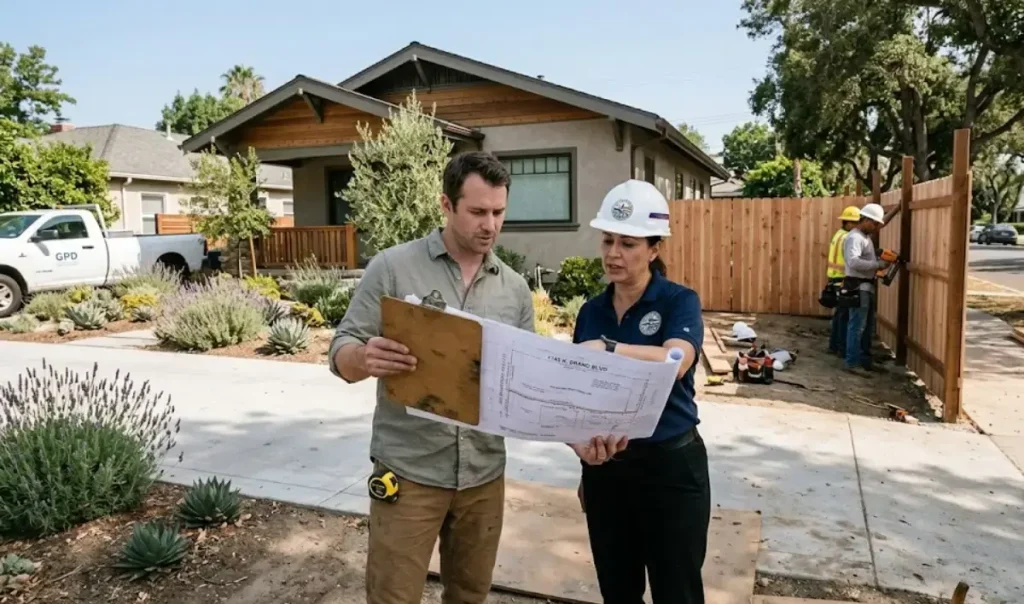
You may need a permit for fence installation in Glendale, CA, depending on the height, location, and structure of the fence. While many standard residential fences do not require permits, certain projects must go through the City of Glendale’s approval process. Understanding these rules before construction can help you avoid fines, stop-work orders, or costly changes later. Glendale Fence Permit Rules Explained The City of Glendale Community Development Department oversees fence permit requirements. According to the city’s building guidelines, a permit is generally required when: A fence exceeds 7 feet in height The structure includes a retaining wall component 4 feet or taller The fence is adjacent to slopes, hillsides, or public rights of way Additional surcharge or soil pressure loads are involved For most homeowners, a standard 6-foot backyard privacy fence usually does not require a permit. However, Glendale’s zoning and hillside regulations create several exceptions that property owners should understand before starting work. When a Fence Permit Is Not Required In many residential situations, you can install a fence without applying for a permit if all of the following conditions apply: The fence is 7 feet tall or lower It is freestanding and does not retain soil The property is not on a hillside or near a public right of way The fence stays within approved setback areas Typical backyard wood, vinyl, or chain-link fences often fall into this category. Even so, it is still wise to confirm local requirements before construction because zoning restrictions can vary by neighborhood and property type. When a Permit Is Required in Glendale A building permit becomes necessary when specific conditions apply. Fences Taller Than 7 Feet Any fence exceeding 7 feet in total height requires a building permit through Glendale Building and Safety. This includes decorative extensions or combined wall-and-fence structures. Retaining Wall Components A retaining wall that measures 4 feet or higher from the bottom of the footing to the top of the wall also requires a permit. This rule commonly affects Glendale hillside homes where fences are installed on elevated terrain. For example, a 6-foot fence placed on top of a retaining wall may still trigger permit requirements because the total retained height exceeds the city’s threshold. Hillside and Public Right-of-Way Properties Fences located near slopes, hillsides, or public streets are subject to additional review. In Glendale’s CH (Hillside Commercial) zone, fences and garden walls on retaining walls cannot exceed 6 feet above the retaining structure. Properties near public rights of way may also require additional planning approval to ensure visibility and pedestrian safety. Street-Visible Chain-Link Restrictions In residential zones such as R1, R1R, and ROS, chain-link fences visible from the street are generally prohibited. While chain-link fencing may still be allowed in certain situations, visibility and screening requirements must be met. Glendale Fence Material Restrictions Even when a permit is not required, Glendale regulates fence materials in many zoning districts, including ROS, R1, R1R, R-3050, R-2250, R-1650, R-1250, DSP, IMU, IMU-R, SFMU, and TOD zones. The city prohibits: Electrically charged fencing Barbed wire Razor wire Sharp-edged materials Chicken wire Fiberglass fencing Approved residential fence materials generally include: Wood Masonry Wrought iron Decorative metal Aluminum Other finishes approved by the Community Development Director Chain-link fences may be allowed if screened by landscaping so they are not visible from neighboring properties. Exceptions may apply for recreational facilities such as tennis courts. These material rules matter because non-compliant fences can create issues during inspections, property sales, or future renovations. How to Apply for a Fence Permit in Glendale If your project requires a permit, applications must be submitted through the City of Glendale’s Glendale Permits portal. Projects submitted after January 1, 2026, must comply with the updated 2025 California Building Standards Code (Title 24) and Glendale’s local amendments. Most applications require: A site plan showing property lines and fence placement Fence height and setback measurements Material and product details Landscaping information near the fence line Utility clearance if construction is near Glendale Water and Power infrastructure If protected trees such as California oak, California sycamore, or California bay are located within 20 feet of the project area, additional review may be required. Many licensed fence contractors can manage the permit process and submit documentation on your behalf. Confirm this before signing a contract. California Good Neighbor Fence Law Fence permits are only one part of the process. California Civil Code 841 also affects shared property-line fences. Under this law, neighboring property owners are presumed to share equal responsibility for the reasonable cost of constructing, repairing, or replacing a boundary fence. Before starting work on a shared fence, property owners must provide written notice at least 30 days in advance. The notice should include: A description of the planned work Estimated costs Timeline information Reasons for construction or repair Ignoring this requirement can lead to disputes, even if the fence itself complies with city regulations. Risks of Skipping the Permit Process Some homeowners assume fence permits are unnecessary because fences are considered minor structures. In Glendale, that can become an expensive mistake. Unpermitted fence work may: Trigger complaints from neighbors Lead to stop-work or demolition orders Complicate refinancing or property sales Require costly retroactive permits and inspections In some cases, completed work must be removed if it violates zoning or safety standards. The permitting process exists to ensure fences are structurally safe, properly located, and compliant with Glendale’s building regulations. Key Things to Check before Installing a Fence Before starting your fence installation in Glendale CA, review the following: Verify your property’s zoning classification Measure the planned fence height carefully Determine whether a retaining wall is involved Check if your property is on a slope or hillside Confirm material restrictions for your zone Notify neighbors if the fence will sit on a shared property line Work with a licensed local fence contractor familiar with Glendale regulations Taking these steps early can save significant time, money, and frustration later. Planning a new fence installation in Glendale, CA? Working with an experienced local